House Settling Repair in Tampa, FL
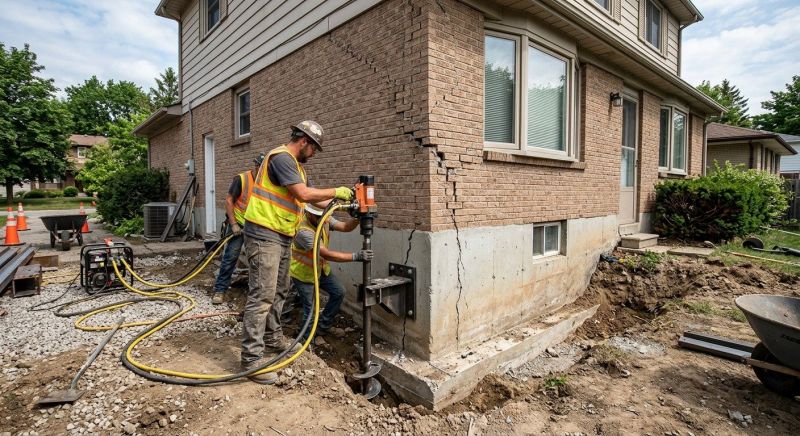
House settling repair services address issues caused by uneven foundation movement that can lead to cracks, gaps, and structural shifts within a home. These projects typically involve assessing the extent of the settling, stabilizing the foundation, and correcting any resulting damage to walls, floors, or ceilings. Homeowners often seek this service when they notice signs such as sticking doors, cracked drywall, or uneven flooring, aiming to restore stability and prevent further structural problems.
Before requesting house settling repairs, property owners usually want to understand the scope of work needed and the potential causes of foundation movement. It is helpful to know if there are visible signs of settling, such as bowing walls or gaps around windows and doors. Clarifying the types of repair methods available and their implications can also assist in making informed decisions about maintaining the long-term safety and integrity of the home.
Many property owners in Tampa, FL look into House Settling Repair for repairs, replacements, upgrades, and appearance-related improvements.
Understanding House Settling
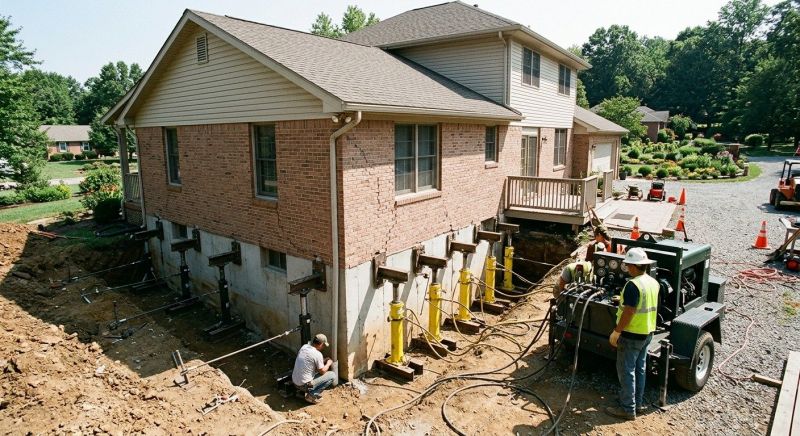
House settling can cause cracks, uneven floors, and structural concerns in tampa homes.
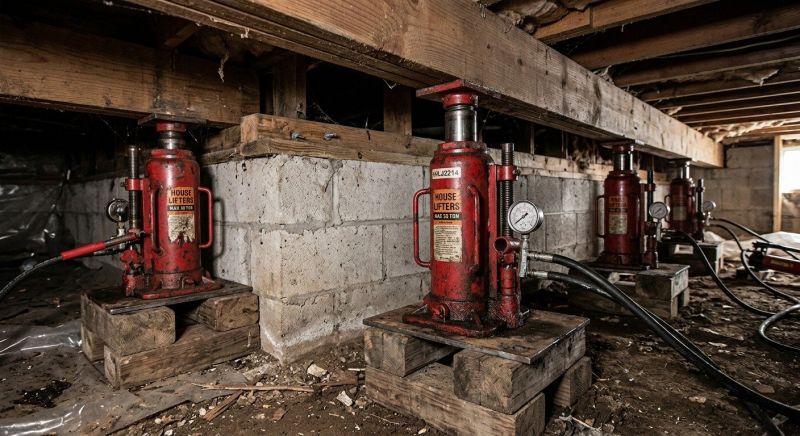
Signs Of Foundation Movement
Common indicators include wall cracks, sticking doors, and uneven flooring throughout tampa properties.
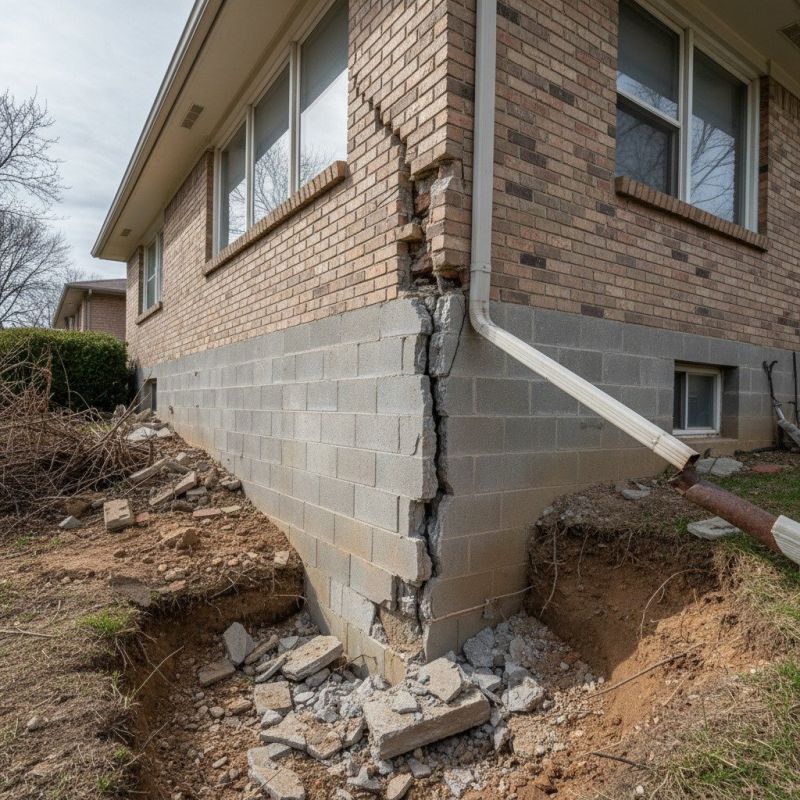
Repair Solutions Available
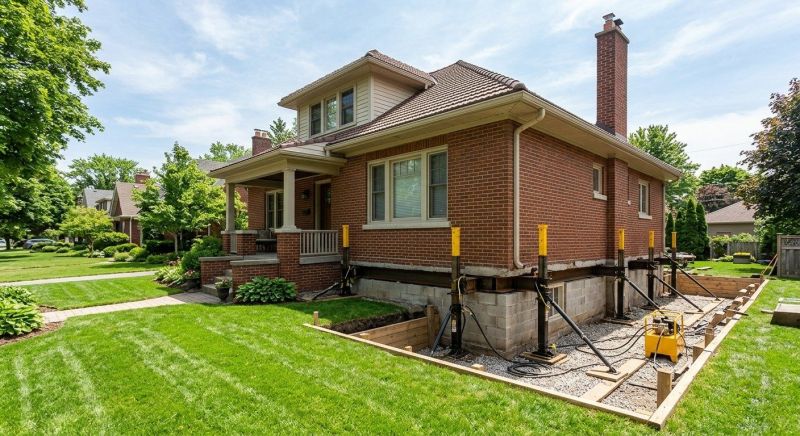
Foundation stabilization, piering, and underpinning are typical methods used to address house settling issues in tampa.
House Settling Repair in Tampa, FL

House settling repair services address issues caused by uneven foundation movement that can lead to cracks, gaps, and structural shifts within a home. These projects typically involve assessing the extent of the settling, stabilizing the foundation, and correcting any resulting damage to walls, floors, or ceilings. Homeowners often seek this service when they notice signs such as sticking doors, cracked drywall, or uneven flooring, aiming to restore stability and prevent further structural problems.
Before requesting house settling repairs, property owners usually want to understand the scope of work needed and the potential causes of foundation movement. It is helpful to know if there are visible signs of settling, such as bowing walls or gaps around windows and doors. Clarifying the types of repair methods available and their implications can also assist in making informed decisions about maintaining the long-term safety and integrity of the home.
Many property owners in Tampa, FL look into House Settling Repair for repairs, replacements, upgrades, and appearance-related improvements.
Common House Settling Repair Jobs
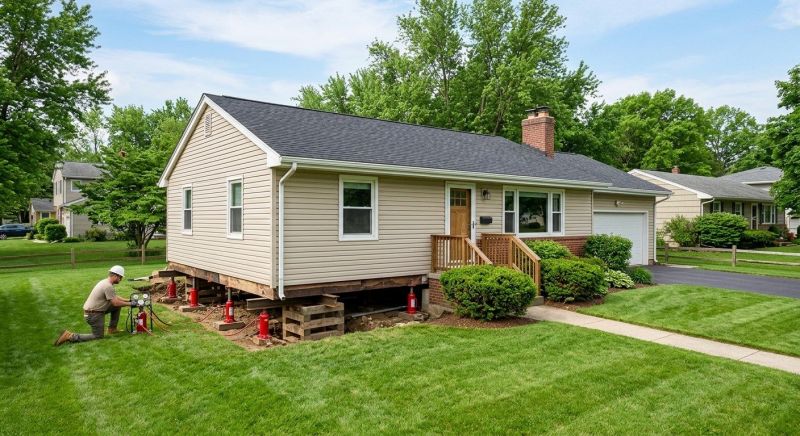
Foundation Settlement Repair - stabilizes and lifts uneven or sinking areas of the home.
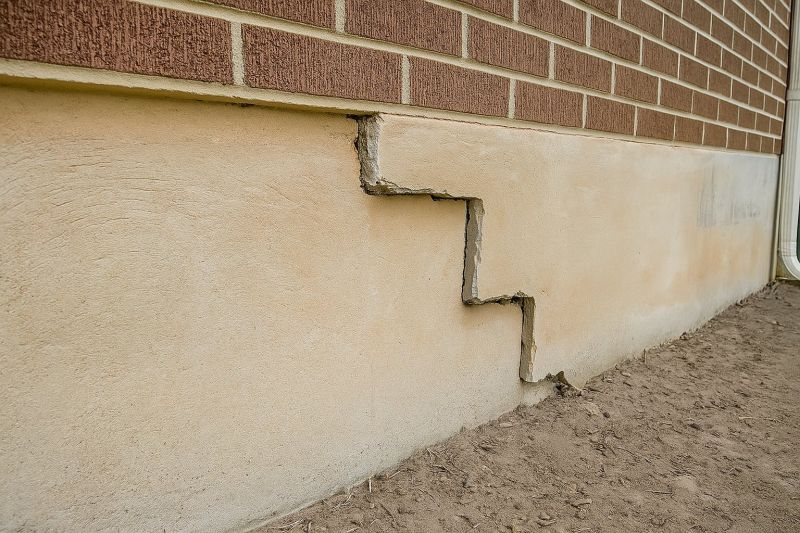
Crack Repair - seals and reinforces cracks in walls and foundations to prevent further damage.
Pier and Beam Repair - addresses issues with support beams and piers to ensure proper foundation stability.
Soil Stabilization - improves soil conditions around the foundation to reduce settling risks.
Mudjacking - raises sunken concrete slabs with a slurry mixture to restore level surfaces.
Waterproofing - applies barriers to prevent water intrusion that can weaken the foundation.
House Settling Repair Questions
What causes house settling issues? House settling can result from soil movement, moisture changes, or foundation shifts over time, leading to uneven floors and walls.
How can settling problems affect a home? Settling can cause cracks in walls and ceilings, sticking doors and windows, and uneven flooring, which may impact safety and property value.
What types of repairs are common for house settling? Repairs often include foundation stabilization, mudjacking, or piering to restore levelness and prevent further movement.
Is settling repair necessary for all homes? Not all settling requires repair; a professional assessment can determine if intervention is needed to maintain structural integrity.
Request House Settling Repair in Tampa, FL
Use the quote form on this page to share the basics of your project and request more information for the type of work you need.